

Choosing the right metal for your engagement ring is a crucial decision that impacts both its look and durability. The metal not only holds the precious gemstone in place but also contributes significantly to the overall aesthetic, weight, and longevity of the piece. Since engagement rings are meant to be worn daily, the choice of metal affects comfort, maintenance, and its ability to withstand everyday wear and tear.
In this article, we will explore the most popular metal types used for engagement rings, detailing their unique properties, strengths, and potential drawbacks. We’ll also provide guidance on how to choose the right metal based on your lifestyle, personal preferences, and budget. Whether you prioritise durability, hypoallergenic qualities, or a particular look, the metal you select will be a key factor in ensuring your engagement ring remains as beautiful and enduring as the love it symbolises.
Popular Metal Types
Platinum
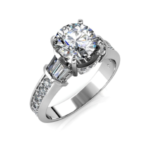
Platinum is a rare, dense, and hypoallergenic metal that is ideal for those with sensitive skin. As one of the most durable metals available, it’s perfect for daily wear, as it resists scratching and fading over time. Platinum is naturally white, and its weight gives the ring a substantial feel, which many people appreciate for its luxurious appeal.
Key Benefits:
- Extremely durable and resistant to scratches
- Hypoallergenic, perfect for sensitive skin
- Develops a natural patina over time for a vintage-like charm
- Timeless and sophisticated look
Considerations:
- Higher price tag due to its rarity
- Requires occasional polishing to maintain its shine (optional based on the patina)
Platinum is a top choice for those seeking a metal that can withstand years of wear while maintaining its classic beauty.
Yellow Gold
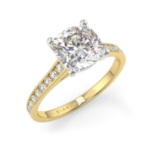
Yellow gold has been a traditional choice for engagement rings for centuries, known for its warm, rich hue. It’s highly versatile, pairing well with various gemstones and settings. Available in different karat options, yellow gold is the preferred choice for many due to its classic, timeless look.
Key Benefits:
- Timeless and classic appeal
- Available in multiple karat options (14k, 18k, 24k)
- Pairs well with various gemstones
- Ideal for traditional designs
Considerations:
- Softer metal, so it may be more prone to scratching
- Regular polishing and care are necessary to avoid tarnishing
Yellow gold remains a favourite for those who appreciate tradition and versatility, but it does require more maintenance compared to harder metals like platinum.
White Gold
White gold is a popular choice for modern engagement rings, offering a sleek and sophisticated look. It’s typically alloyed with metals like palladium or nickel to give it strength, and it is usually plated with rhodium to achieve its shiny, reflective surface. However, the rhodium plating can wear off over time and needs to be periodically reapplied.
Key Benefits:
- Sleek and modern appearance
- More affordable than platinum
- Pairs well with diamonds and other gemstones
- Available in various karat options
Considerations:
- Rhodium plating wears off and requires re-plating
- May contain nickel, which can be an issue for those with allergies
- Requires more maintenance to maintain the shine
White gold provides a similar aesthetic to platinum but at a lower cost. It’s a great option for those seeking a sophisticated look on a budget.
Rose Gold
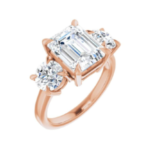
Rose gold has gained popularity in recent years due to its warm, pinkish hue and romantic appeal. This metal is created by alloying gold with copper, giving it strength and a distinctive look. Rose gold is ideal for those who want a unique and vintage-inspired engagement ring.
Key Benefits:
- Beautiful pinkish hue that suits lighter skin tones
- More durable than yellow or white gold due to the copper alloy
- Lower cost compared to platinum and white gold
- Gaining popularity for its unique aesthetic
Considerations:
- The copper content may cause skin reactions in some individuals
- May darken with age, though this adds to its vintage charm
- Requires cleaning and occasional maintenance
Rose gold is perfect for those looking for something a little different and a metal that exudes warmth and romance.
Palladium
Palladium, part of the platinum group of metals, shares many of platinum’s benefits but at a more affordable price. This naturally white metal is hypoallergenic, resistant to tarnishing, and doesn’t require rhodium plating, making it low-maintenance.
Key Benefits:
- Naturally white with a similar appearance to platinum
- Highly durable and resistant to tarnishing
- Hypoallergenic, perfect for sensitive skin
- More affordable than platinum
Considerations:
- Lighter than platinum, which may not appeal to those who prefer a heavier feel
- Less known than platinum, so it may not have the same prestige
Palladium is an excellent choice for those who want platinum’s durability and appearance but at a lower cost.
Titanium
Titanium is a lightweight, incredibly durable metal that’s ideal for individuals with active lifestyles or manual jobs. Known for its strength, titanium resists scratching and tarnishing. However, it’s more difficult to resize and doesn’t have the traditional “luxurious” feel of other metals.
Key Benefits:
- Extremely strong and resistant to scratches
- Lightweight and comfortable for daily wear
- Affordable and low-maintenance
Considerations:
- Not as traditional as other metals, so may not suit those seeking a classic look
- Very difficult to resize, so be sure of your ring size
Titanium is a great option for those who need a metal that will stand up to the rigors of daily life while staying lightweight and budget-friendly.
Tungsten
Tungsten is one of the hardest metals available, offering exceptional scratch resistance. It’s perfect for those looking for a durable, low-maintenance engagement ring. Tungsten’s weight gives it a substantial feel, though it can be prone to cracking or shattering upon impact.
Key Benefits:
- Extremely hard and resistant to scratches
- Low-maintenance and affordable
- Substantial weight provides a unique feel
Considerations:
- Can crack or shatter if subjected to a hard impact
- Difficult to resize
- Not as traditional or versatile as other metals
Tungsten is an ideal choice for those who prioritize durability above all else and are seeking a low-maintenance engagement ring.
Silver
Silver, particularly sterling silver, is a popular and affordable option for engagement rings. Known for its cool, bright shine, silver is lightweight and easy to work with. However, it is softer than other metals and more prone to tarnishing, requiring regular care to maintain its appearance.
Key Benefits:
- Highly affordable compared to other metals
- Lightweight and comfortable
- Bright, shiny appearance
Considerations:
- Softer than other metals, more prone to scratches and dents
- Tarnishes over time, requiring regular polishing
- Less durable than platinum or gold
Silver is a great choice for those on a budget or looking for a non-traditional engagement ring option.
Side‑By‑Side Comparison Table
| Metal | Durability / Hardness | Cost | Hypoallergenic? | Appearance | Maintenance |
| Platinum | Extremely durable, resistant to scratches (4-4.5 on Mohs scale) | High | Yes | Silvery-white, timeless, develops a patina | Minimal maintenance, occasional polishing |
| Yellow Gold | Softer, prone to scratches (2.5-3 on Mohs scale) | Moderate | No (may contain nickel) | Warm, classic, complements yellow stones | Requires regular polishing and care |
| White Gold | Moderately durable (2.5-3 on Mohs scale) | Moderate | No (may contain nickel) | Cool, sleek, shiny finish | Needs rhodium re-plating over time |
| Rose Gold | Moderate durability (2.5-3 on Mohs scale) | Moderate | No (may contain copper) | Pinkish hue, romantic, unique | May darken with age, requires cleaning |
| Palladium | Durable, resistant to tarnishing | Moderate | Yes | Naturally white, similar to platinum | Minimal maintenance, no plating required |
| Titanium | Extremely durable, lightweight (6 on Mohs scale) | Low | Yes | Modern, light grey | Requires little maintenance, hard to resize |
| Tungsten | Extremely hard, scratch-resistant (8-9 on Mohs scale) | Low | Yes | Dark grey, bold, heavy | Very low maintenance, cannot be resized |
| Silver | Soft, prone to scratches (2.5-3 on Mohs scale) | Low | No (may contain nickel) | Bright, cool shine | Prone to tarnishing, needs regular polishing |
What to Look for in an Engagement Ring Metal
Durability & Hardness
Durability is key, especially for those who wear their ring daily. Platinum and tungsten are highly durable and scratch-resistant, perfect for active lifestyles. Gold and silver are softer and may require more care to prevent damage. Metals are rated on the Mohs hardness scale: platinum (4-4.5) and tungsten (7-8) are tougher than gold (2.5-3) and silver (2.5-3).
Cost vs Rarity
Some metals, like platinum, are rare and expensive, but they offer long-term durability. Titanium and silver are more affordable, with titanium being a strong yet budget-friendly option. Consider your budget and balance cost with the metal’s durability.
Skin Sensitivity & Allergies
Metals like platinum and palladium are hypoallergenic, making them ideal for sensitive skin. Gold and white gold may contain nickel, which can cause allergic reactions, so be mindful if you have sensitivities. Titanium is another hypoallergenic choice.
Appearance & Colour Matching
The metal’s colour will impact your ring’s look. Yellow gold complements warm-toned gemstones, while white gold and platinum work well with diamonds and cool-toned stones. Rose gold adds a romantic touch and suits lighter skin tones. Choose a metal that complements your gemstone and skin tone.
Maintenance & Wear
Different metals wear differently. Platinum develops a patina over time, while gold may require re-plating, especially white gold. Silver tarnishes more easily and needs regular cleaning. Tungsten and titanium require little maintenance and are resistant to scratches and tarnishing.
How to Choose Based on Your Lifestyle
Your engagement ring metal should align with your daily habits and lifestyle. The metal you choose will affect its wear and tear over time, so it’s important to select one that complements your routine and activities.
If you have an active lifestyle, metals like titanium, tungsten, or platinum are excellent choices. These metals are highly durable, scratch-resistant, and capable of withstanding the demands of physical activities, manual labour, or constant movement. They’ll hold up well against daily wear and maintain their integrity over time.
On the other hand, if you have a more sedentary lifestyle or work in an office environment, softer metals like gold or rose gold may be more fitting. These metals are easier to work with and more versatile but may require a bit more care to avoid scratches or dents. While they might not stand up to heavy wear as well as tougher metals, they offer a classic, timeless look that suits those who prefer a low-maintenance lifestyle.
Tips for Care & Longevity
To ensure the longevity of your engagement ring, proper care is essential. For platinum, wipe with a soft cloth and avoid harsh chemicals, while gold should be cleaned with mild soap and water, keeping it away from abrasives. Titanium and tungsten require minimal care but should be handled carefully to avoid cracking, especially tungsten. Silver needs regular polishing to prevent tarnishing and should be stored in a dry place. For all metals, store rings separately from other jewellery to avoid scratches and damage, and keep them in a safe, dry place when not in use to maintain their beauty over time.