
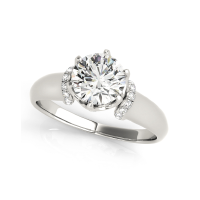

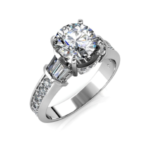

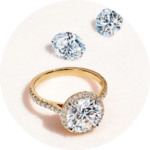


Choosing an engagement ring involves more than selecting a diamond. The style and setting are central to its appearance, durability, and how well it reflects personal taste. From classic solitaire designs to intricate vintage-inspired settings, understanding the differences between ring styles and settings helps ensure a confident, well-informed decision. This guide highlights the key features of each and how they work together to create a meaningful, lasting symbol of commitment.
What Is an Engagement Ring Setting?
An engagement ring setting is the design or structure that secures the centre stone on the band. It affects both the appearance and function of the ring. The setting influences how light enters the gemstone, which can impact the diamond’s brilliance and perceived size. It also determines how well the stone is protected from damage during daily wear. Some settings are raised to highlight the diamond, while others sit lower for practicality in active lifestyles. Choosing the right setting helps balance visual appeal, durability, and comfort.
Engagement Ring Setting vs. Engagement Ring Style
Understanding the difference between an engagement ring setting and style is essential when choosing a ring. The setting refers to how the main stone is mounted or secured on the band. It directly affects the ring’s function, security, and how the diamond interacts with light. Common settings include prong, bezel and pavé, each offering varying levels of protection and emphasis on the stone.
In contrast, the style of an engagement ring relates to its overall aesthetic. It reflects the design theme, ranging from minimalist to ornate. Popular styles include vintage, modern, deco and classic. Style often incorporates elements such as twisted bands, geometric shapes or fine engraving. While the setting determines the stone’s placement and protection, the style expresses the ring’s character and visual appeal.
Types of Engagement Ring Styles
The style of an engagement ring reflects its design theme, aesthetic and overall character. It expresses the wearer’s personal taste, whether classic, romantic, modern or vintage. While the setting secures the stone, the style defines the ring’s appearance and personality. Exploring the available styles helps ensure the ring suits both the wearer’s lifestyle and sense of style.
Solitaire
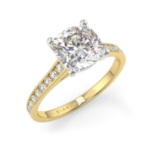
The solitaire is a classic and enduring engagement ring style, valued for its simplicity and elegance. It features a single central diamond or gemstone, typically set on a plain band. The design highlights the stone as the focal point of the ring. This style suits those who prefer a timeless, understated look and allows flexibility in stone shape and setting. Its refined appearance and lasting appeal continue to make the solitaire a popular choice.
Halo
The halo style enhances the centre stone by surrounding it with smaller diamonds or gemstones. This adds brilliance and increases the perceived size of the main gem, creating a radiant effect. Halo designs range from subtle to bold and suit various shapes, including round, oval and cushion cuts. This style is ideal for those who want extra sparkle and detail without overwhelming the overall design. It is especially popular in both modern and vintage-style engagement rings.
Cognac
Cognac rings feature warm-toned diamonds or gemstones in shades from golden brown to deep amber. This style offers a natural, earthy look and is valued for its organic and distinctive appearance. Cognac diamonds pair well with yellow or rose gold bands, enhancing their tone and creating a cohesive design. This style suits those who prefer non-traditional, country-inspired engagement rings with character. It is ideal for outdoor or rustic-themed proposals and weddings.
Infinity
The infinity style features a twisted or interwoven band symbolising eternal love and unity. Designs often include crossover or looped patterns, sometimes accented with small diamonds. It adds a romantic, meaningful touch while maintaining a modern and elegant appearance. Infinity rings can highlight a central stone or maintain a continuous flowing design. This style suits those seeking a symbolic and contemporary option.
Curved
Curved engagement rings have a gentle bend in the band, allowing them to sit closely alongside a wedding ring. Ideal for those planning a matching set, the shape creates a seamless fit. These rings may have a minimalist design or feature pavé diamonds along the curve for added detail. The curved style offers practicality and visual balance for those who prefer a tailored, coordinated look.
Pinch
The pinch style features a band that narrows near the centre stone, drawing attention to the gem and enhancing its prominence. This subtle contour adds elegance while maintaining a sleek, modern profile. It suits a range of settings and stone shapes, offering flexibility in design. The pinch style is ideal for those who want a minimalist look that subtly highlights the centrepiece.
Stacker
Stacker rings are designed for layering, often featuring slim bands with subtle detailing. They can be worn individually or combined over time to mark life milestones or anniversaries. Stacker rings suit those who prefer a personalised, evolving collection and offer a modern alternative to traditional single-band designs.
Milgrain
Milgrain detailing uses tiny bead-like patterns along the ring’s edges to add texture and a vintage feel. Common in antique-style rings, this technique gives a handcrafted, ornate look. Milgrain can be paired with filigree, engraving or intricate settings to enhance overall design. It appeals to those who appreciate traditional craftsmanship and timeless detail.
Bow
Bow-style engagement rings feature soft curves or loops resembling a bow, symbolising love and femininity. The bow may be part of the band or frame the centre stone as a decorative element. This style offers a romantic, playful aesthetic and may include small diamonds or gemstones for added sparkle. It suits those drawn to delicate, whimsical designs with personal meaning.
Baguette
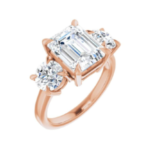
Baguette styles use long, rectangular step-cut diamonds, often as side stones or in geometric patterns. These stones add a sleek, structured look and are common in deco-style rings. Their clean lines complement both modern and vintage designs, especially when paired with a round or oval centre stone. Baguette rings suit those seeking a refined, architectural style with a minimalist edge.
Engagement Ring Settings
Engagement ring settings influence both the appearance and function of a ring. They determine how the main diamond or gemstone is secured and how much light interacts with it, affecting the stone’s brilliance and visibility. Some settings maximise sparkle, while others prioritise durability or a clean, modern look. Understanding the features and benefits of each can help you choose a setting that suits the wearer’s lifestyle, maintenance preferences and design style.
Prong Setting
The prong setting is one of the most traditional and popular choices. It uses four or six small metal claws to hold the centre stone securely while allowing light to enter from multiple angles, enhancing brilliance and making the stone appear larger. Prong settings are versatile and suit a range of diamond shapes and styles, though they may require occasional maintenance to keep the prongs secure. This option is ideal for those wanting maximum sparkle and a timeless appearance.
Bezel Setting
The bezel setting surrounds the centre stone with a thin metal rim, securing it in place and protecting the edges from damage. It offers a sleek, modern look and is often chosen for its durability and low maintenance. Well suited to active lifestyles and hands-on work, the bezel may slightly limit light exposure compared to prong settings, but a quality design can still deliver impressive brilliance. This setting is a practical option that combines style and security.
Cathedral Setting
The cathedral setting elevates the centre stone using arched metal supports that rise from the band, creating a graceful and architectural effect. Inspired by gothic cathedral structures, this design adds height and elegance while allowing more light to reach the stone. It provides secure placement and suits those seeking a refined and traditional aesthetic. The cathedral setting remains a popular choice for its balance of visual impact and classic charm.
Tension Setting
In a tension setting, the centre stone is held in place by the pressure of the metal band, giving it a floating appearance. This modern style allows for maximum light exposure and showcases the full gemstone. Tension settings require precise craftsmanship and are typically made with strong metals like platinum or titanium. Though minimal in design, they offer reliable support when properly constructed. This setting is ideal for those who prefer a bold, clean and contemporary look.
Channel Setting
Channel settings hold a row of small diamonds or gemstones within a narrow groove between two strips of metal. The stones sit flush with the band, forming a continuous line of sparkle while being well-protected from catching or damage. This setting is commonly used for side stones or wedding bands and pairs well with various centre stone styles. It offers a structured, polished look with added brilliance, making it ideal for everyday wear.
Bar Setting
The bar setting secures each stone between vertical metal bars, leaving the sides exposed to light for added brilliance. This design creates a sleek, contemporary look while offering strong protection. Bar settings are often used for accent stones and provide a good balance between durability and openness. They are well suited to those seeking a modern, architectural setting with clean lines.
Pavé and Micro-Pavé Settings
Pavé and micro-pavé settings feature small diamonds placed closely together across the band, held by tiny prongs or beads. Pavé uses slightly larger stones, while micro-pavé involves very fine, detailed work. These settings create a sparkling surface that can accent the band or frame the centre stone. While they require gentle care due to the delicate nature of the small stones, they deliver a luxurious and eye-catching finish. These styles are perfect for those who appreciate fine detail and continuous sparkle.
How to Choose the Best Ring Setting and Style?
Choosing the right ring setting and style requires balancing aesthetic preferences with practical considerations. Start by thinking about how the ring will be worn day to day. For active lifestyles or hands-on work, low-profile and secure settings such as bezel or channel are ideal due to their durability. For maximum visual impact, settings like prong or halo allow more light into the stone, enhancing its brilliance. It’s also worth considering the metal type, as certain styles pair better with yellow, white or rose gold depending on the gemstone and overall design.
When selecting a ring style, focus on long-term appeal rather than short-lived trends. Classic options like solitaire or milgrain offer timeless elegance, while modern styles such as tension or stacker rings provide a contemporary look. Consider whether a minimalist or vintage design suits the wearer, or if the ring should include symbolic elements like infinity or bow motifs. The goal is to choose a combination of setting and style that delivers comfort, visual impact and personal meaning, ensuring the ring remains a cherished piece for years to come.
Find Your Perfect Ring Style & Setting at Sinclair’s Jewellers
Sinclair’s Jewellers offers a curated selection of engagement ring styles and settings, from timeless classics to modern, distinctive designs. With decades of industry experience, the team provides expert guidance to help you select or design a ring that suits both your practical needs and personal taste. Whether you’re after a traditional solitaire, a vintage-inspired setting with intricate detail, or a sleek contemporary band, each piece is crafted with care and precision.
Services include custom jewellery design, resizing, repairs and valuations, all delivered to a high standard. Every piece is tailored and maintained to ensure long-lasting quality. Visit Sinclair’s Jewellers in-store or book a personalised consultation with one of our experienced jewellers to explore the full collection and find the perfect engagement ring.
Frequently Asked Questions
What is the most secure engagement ring setting?
The bezel setting is considered the most secure, as it completely surrounds the stone and offers strong protection against knocks or loosening.
Which ring setting is best for an active lifestyle?
Bezel and channel settings are ideal for active lifestyles, as they offer durability and a low risk of snagging on clothing or objects.
Which settings make a diamond appear larger or more brilliant?
Halo and prong settings allow more light to pass through the stone, which can enhance its sparkle and make it appear larger.
How do I choose the right ring style for my partner’s personality?
Think about their everyday style and preferences. Classic designs suit those with minimalist taste, while vintage, infinity or bow motifs are well-suited to romantic or expressive personalities.
Can I customise both the style and setting of an engagement ring?
Yes, many jewellers offer full customisation, allowing you to design a ring that combines your preferred style and setting for a truly personal piece.