
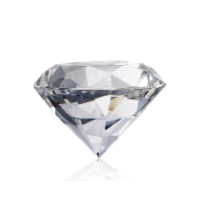
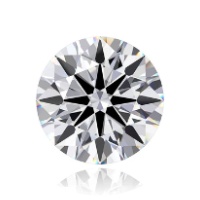
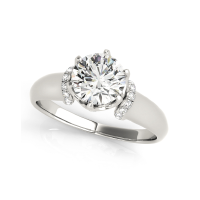

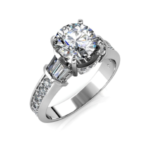





Diamonds remain a timeless choice for engagement rings, fine jewellery, and investment pieces. With lab-grown diamonds becoming increasingly accessible, many buyers are now comparing them to natural, earth-mined diamonds. Understanding the key differences between lab-created and natural diamonds is crucial for making an informed decision. This guide highlights the main benefits and drawbacks of each, helping you choose the option that best suits your values, budget, and personal preferences.
What Are Lab-Grown Diamonds?
Lab-grown diamonds, also known as lab-cultured or man-made diamonds, are produced using advanced technology that mimics the natural diamond formation process. These diamonds are created in controlled laboratory environments using methods such as High Pressure High Temperature (HPHT) or Chemical Vapour Deposition (CVD). The result is a diamond with the same physical, chemical, and optical properties as a mined diamond. Lab-manufactured diamonds are recognised as real diamonds and are graded using the same standards as natural stones. They offer a modern alternative for buyers looking for ethically sourced and environmentally conscious options.
What Are Natural Diamonds?
Natural diamonds are formed deep within the Earth over billions of years through intense heat and pressure. These stones are extracted through mining and are commonly referred to as earth-mined or mined diamonds. Each natural diamond is one of a kind, shaped by unique geological conditions over time. They are prized for their rarity and have long been regarded as symbols of enduring quality and investment. Natural diamonds are graded for quality using internationally recognised standards, with their origin significantly influencing their market value and perception.
Lab-Grown vs Natural Diamonds: A Detailed Comparison
Lab-grown and natural diamonds may appear identical, but they differ in several important ways that can influence buying decisions. From their method of creation to pricing, grading standards, and environmental impact, each type presents its own unique attributes. This section offers a clear, point-by-point comparison to help buyers understand how lab-created and earth-mined diamonds stack up across key considerations.
Quick Comparision:
| Feature | Lab-Grown Diamonds | Natural Diamonds |
| Origin and Creation | Created in laboratories using HPHT or CVD methods in a matter of weeks | Formed naturally over billions of years under the Earth’s surface |
| Cost Comparison | Typically 30–50% less expensive for comparable quality | Higher cost due to rarity and complex mining process |
| Durability | High durability; rates 10 on the Mohs scale | Equally durable; also rates 10 on the Mohs scale |
| Brilliance | High brilliance depending on cut quality | High brilliance depending on cut quality |
| Inclusions | May contain metal-based or process-related inclusions | Often contains natural inclusions formed during geological development |
| Clarity and Colour | Generally offers higher clarity and controlled colour range due to lab conditions | More natural variation in clarity and colour; higher grades command premium pricing |
| Grading Systems | Graded by recognised bodies like IGI and GIA using the same 4Cs criteria | Also graded by IGI, GIA, and other trusted labs based on 4Cs |
| Availability | Readily available in a wide range of sizes and shapes | Availability can be limited by mining yields and natural occurrence |
| Environmental Impact | Lower impact due to absence of large-scale land disruption | Greater impact through land use, energy consumption, and waste |
| Ethical Considerations | No conflict sourcing; created in controlled, traceable environments | Must be verified for ethical sourcing; varies depending on mine and supply chain |
Origin and Creation
Lab-grown diamonds are developed in controlled environments using advanced methods such as High Pressure High Temperature (HPHT) or Chemical Vapour Deposition (CVD). These diamonds typically form within a few weeks. In contrast, natural diamonds take billions of years to develop under extreme heat and pressure deep within the Earth’s crust, and are extracted through mining.
Cost Comparison
Lab-created diamonds are generally more affordable than natural diamonds. This price difference is largely due to shorter production times and fewer supply chain costs. Natural diamonds are priced higher due to their geological rarity and strong market demand.
Durability
Both lab-grown and natural diamonds rate a 10 on the Mohs scale of hardness, making them equally suitable for everyday wear. Their identical crystal structure ensures the same resistance to scratches and physical damage.
Brilliance
The brilliance of a diamond or its ability to reflect light is determined by cut quality, not origin. When cut to the same standard, both lab-manufactured and natural diamonds deliver equal levels of brilliance and fire.
Inclusions
Natural diamonds often contain inclusions formed naturally over time, such as minerals or small cracks. Lab-grown diamonds may feature different types of inclusions, typically related to the manufacturing process like metallic traces from the growth chamber which are often less noticeable and more uniform.
Clarity and Colour
Lab-grown diamonds tend to offer higher clarity and more consistent colour due to their controlled production environment. Natural diamonds, shaped by nature, show greater variation and uniqueness, with top-quality stones fetching premium prices.
Grading Systems
Both lab-grown and natural diamonds are graded using the same standards by gemmological bodies such as GIA, IGI, and other accredited institutions. Grading considers the 4Cs: cut, clarity, colour, and carat weight. Each diamond should come with a certificate from a recognised authority.
Availability
Lab-created diamonds are readily available in a wide range of cuts, sizes, and colours thanks to scalable production. Natural diamonds, however, are limited by what can be mined, making some shapes or sizes harder to source.
Environmental Impact
Lab-grown diamonds typically have a lower environmental impact as they eliminate the need for large-scale mining, reducing land disturbance and water use. That said, energy consumption can vary between laboratories. Natural diamond mining can cause significant environmental damage if not managed sustainably.
Ethical Considerations
Lab-grown diamonds are often seen as the more ethical choice, as they avoid concerns over conflict diamonds and exploitative labour. Natural diamonds can also be ethically sourced when they meet standards like the Kimberley Process, though traceability may not always be as clear.
Pros and Cons of Cultured Diamonds for Buyers
Lab-cultured diamonds present a modern alternative to natural stones, with distinct advantages and considerations that are important to weigh before making a purchase. While they meet the same quality standards as natural diamonds, differences in origin, value retention, and perception can influence buying decisions. This section outlines the key pros and cons to help buyers make a well-informed choice.
Pros of Lab-Cultured Diamonds
Lab-created diamonds are generally more affordable than natural diamonds of comparable size and quality, making them a popular option for budget-conscious buyers. They are produced in ethical, controlled environments, free from conflict sourcing concerns. Compared to traditional mining, they typically have a smaller environmental footprint. Thanks to consistent production methods, lab-grown diamonds often exhibit higher clarity and are widely available in a broad range of shapes and sizes.
Cons of Lab-Cultured Diamonds
Lab-grown diamonds may not hold their value as well as natural diamonds over time, which can be a drawback for those seeking a long-term investment. Their perception of rarity is reduced, as they can be produced on demand. Additionally, some buyers may favour natural diamonds for their geological history and one-of-a-kind formation, which can carry greater sentimental or symbolic meaning.
Considerations to Keep in Mind While Buying Diamonds
Purchasing a diamond involves more than simply choosing a beautiful stone. Whether you opt for a lab-grown or natural diamond, several key factors can impact quality, authenticity, and long-term satisfaction. From grading standards to after-sale support, understanding what to look for will help you make a confident and informed decision.
The 4Cs: Cut, Clarity, Colour, and Carat
The 4Cs are the internationally recognised standard for assessing diamond quality. Cut affects how well a diamond reflects light and is crucial to its brilliance. Clarity refers to the presence of internal or external imperfections. Colour measures how colourless the diamond appears, with less colour generally being more desirable. Carat represents the diamond’s weight and contributes to its size and price. Understanding how these characteristics interact is essential to evaluating overall value.
Certification and Grading Reports
Independent grading reports confirm a diamond’s quality and authenticity. Certificates from trusted laboratories such as GIA, IGI, or GCAL provide objective information about the diamond’s cut, clarity, colour, and carat weight. Whether you’re purchasing a lab-created or earth-mined diamond, always request a grading certificate to verify the stone’s specifications and origin.
Warranty, Return Policies, and After-Sale Support
Before completing your purchase, check the retailer’s warranty and return policies. A clear return period and product guarantees offer peace of mind, particularly for high-value items. After-sale services such as resizing, professional cleaning, and routine inspections enhance the longevity of your jewellery. Dependable customer support is an important part of a trustworthy and rewarding buying experience.
How to Choose Between Lab and Natural Diamonds?
Deciding between a lab-grown and a natural diamond comes down to what matters most to you. If budget is a primary consideration, lab-cultured diamonds provide excellent value without sacrificing appearance or durability. They are a great choice for buyers who prioritise ethical sourcing and a lower environmental impact. With lab-manufactured diamonds, it’s often possible to select a larger or higher-quality stone for the same price as a smaller natural diamond.
Conversely, natural diamonds may appeal to those who value tradition, geological rarity, and long-term investment potential. Mined diamonds are often selected for their unique origin and emotional significance, especially in heirloom or milestone jewellery. If individuality and potential resale value are key factors, natural diamonds may better suit your preferences. Both types are genuine diamonds, so the choice ultimately depends on your values, whether they lean more towards cost-efficiency and sustainability, or rarity and legacy.
Discover the Perfect Diamond with Sinclair’s Jewellers
Choosing between lab-grown and natural diamonds is a personal decision, and Sinclair’s Jewellers is here to support you every step of the way. Visit our boutique showroom in Ardross, Perth to discover an exceptional selection of ethically sourced natural diamonds and expertly crafted lab-grown alternatives. Our experienced jewellers will guide you through the differences, offer side-by-side comparisons, and answer your questions in a relaxed, consultation-focused environment.
Whether you’re designing an engagement ring, marking a special occasion, or investing in a timeless piece, Sinclair’s Jewellers provides personalised advice, custom design services, and a strong commitment to sustainability and quality. Contact us or book a private consultation today and let us help you find a diamond that reflects your values, style, and story.
Frequently Asked Questions
Can you tell the difference between a lab-grown and a natural diamond?
No, not by sight. Both have the same physical and chemical properties, making them visually identical.
Do lab-grown diamonds hold their value like natural diamonds?
Lab-grown diamonds generally have lower resale value than natural diamonds due to market demand and their perceived rarity.
Are lab-grown diamonds considered real diamonds?
Yes. Lab-grown diamonds are real diamonds, sharing the same structure and characteristics as earth-mined stones.
Which is better for the environment: lab-grown or natural diamonds?
Lab-grown diamonds typically have a lower environmental impact as they avoid large-scale land disruption and mining.
Is one type more durable or suitable for everyday wear than the other?
Both are equally durable, with a hardness rating of 10 on the Mohs scale, making them ideal for everyday wear.