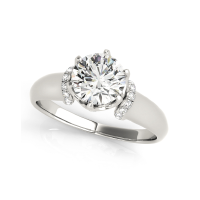


Choosing the right diamond shape is a key part of designing an engagement ring. It influences how the ring looks, how it fits on the finger, and how much the diamond stands out. Each shape offers a different style, level of sparkle, and symbolic meaning. For example, round diamonds are classic, while pear or marquise shapes can create a more unique or elongated look. Consider how the shape suits different settings and how it complements the wearer’s hand.
Think about your partner’s personal style, the shape of their hand, and your budget. These factors help you choose a shape that feels both personal and practical.
What Is a Diamond Shape?
A diamond shape is the outline or form of a diamond when viewed from above. It defines the overall appearance and is often the first thing people notice. Common shapes include round, princess, oval, pear and marquise, each offering a unique style.
While the term “cut” refers to the quality and precision of the diamond’s facets, “shape” strictly refers to its form. Understanding the difference helps in choosing a diamond that suits both your design vision and the wearer’s taste.
What to Consider When Choosing the Diamond Shape?
Consider Your Partner’s Style
Each diamond shape reflects a distinct aesthetic. Understanding your partner’s style helps in selecting the most suitable shape
- Classic: Round and oval shapes offer timeless beauty with balanced proportions.
- Modern: Princess and radiant shapes feature sharp lines and a bold, structured look.
- Minimalist: Emerald and Asscher cuts highlight clean symmetry and understated sparkle.
- Vintage: Marquise, pear, and cushion shapes bring character and a retro charm.
Consider Your Partner’s Finger Shape
Choosing a diamond shape that complements your partner’s finger can enhance comfort, proportion, and overall appearance.
- Small or short fingers: Pear, marquise and oval shapes can elongate the finger and create a more slender appearance.
- Wider or longer fingers: Round, emerald and cushion shapes provide balance and soften the hand’s proportions.
- Large or full fingers: Radiant and princess cuts offer boldness and fill space well, maintaining visual proportion and presence.
Setting Compatibility
Different diamond shapes suit specific ring settings for both security and style. Choosing the right setting protects the diamond and enhances its appearance.
- Round: Highly versatile; suits solitaire, halo and pavé settings.
- Princess: Requires prong or bezel settings to protect sharp corners.
- Pear & Marquise: Benefit from tip protection to prevent chipping.
- Emerald & Asscher: Pair well with prong or bezel settings for a clean, structured appearance.
Carat Weight Appearance
The shape of a diamond can affect how large it appears, regardless of carat weight. Elongated shapes tend to look bigger, while compact shapes appear smaller face-up.
- Oval, Pear & Marquise: Appear larger due to elongated shapes.
- Round: Balanced and classic but may look smaller compared to elongated cuts.
- Asscher & Princess: Compact shapes that often appear smaller face-up.
- Elongated cuts: Maximise visual size without increasing carat weight.
Consider Your Budget (Price Variations by Shape)
Diamond shape influences pricing due to cutting complexity, demand and material waste. Some shapes offer better value while maintaining brilliance and visual impact.
- Round: Usually the most expensive due to high demand and cutting waste.
- Princess & Cushion: More affordable while offering strong brilliance.
- Oval & Radiant: Provide a larger look at a lower price point.
- Emerald & Asscher: Mid-range cost but require higher clarity.
- Fancy shapes: Often more budget-friendly and offer unique visual appeal.
Popular Diamond Engagement Ring Shapes
Round Shape Diamond
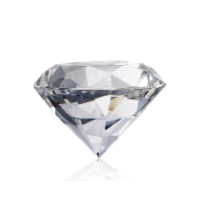
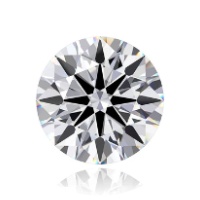
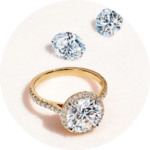
The round diamond is a classic and timeless choice, known for its unmatched brilliance and symmetrical shape that maximises sparkle. It works well in almost any setting and suits a wide range of personal styles, from traditional to modern. As the most popular and widely available shape, it offers both versatility and enduring appeal. Its durability, brilliance and elegance make it a top choice for those seeking a refined and reliable engagement ring.
Princess Shape Diamond
The princess diamond features a modern square shape with sharp, clean edges and strong brilliance. It is one of the most popular fancy shapes, well-suited to contemporary styles and settings. More cost-efficient than round diamonds, it offers sparkle and symmetry at a better value. Its pointed corners can be prone to chipping, so secure settings like prong or bezel are important. Princess cuts work well in solitaire, halo, or channel settings. This shape suits those seeking bold elegance with a modern edge.
Oval Shape Diamond
Oval diamonds combine classic elegance with a modern silhouette, offering high brilliance and a flattering, elongated look. The shape makes fingers appear longer and slimmer while looking larger than round diamonds of the same carat. It suits a variety of settings including solitaires, halos, and side-stone designs. This shape is ideal for those wanting timeless beauty with a hint of individuality and extra presence.
Pear Shape Diamond
The pear diamond features a distinctive teardrop shape, blending round and marquise elements. It offers a unique, elegant look that elongates the finger. This shape provides excellent brilliance, especially when the point faces outward. Pear diamonds often appear larger than their actual carat weight. A secure setting is essential to protect the pointed tip. It is ideal for those who want individuality with soft, graceful lines.
Marquise Shape Diamond
Marquise diamonds are known for their long, tapered shape with pointed ends. This cut gives the illusion of longer, slimmer fingers and enhances the diamond’s surface area. It suits antique, halo or bold solitaire settings. Protective prongs are important to shield the narrow tips. The shape delivers a dramatic and elegant look. A standout choice for those who appreciate vintage charm and sophistication.
Emerald Shape Diamond
Emerald diamonds feature rectangular step cuts that highlight clarity and clean lines. They produce a subtle sparkle with mirror-like reflections and long, elegant facets. The shape flatters longer fingers and suits minimalist or vintage designs. Inclusions are more visible in this cut, so higher clarity is recommended. Emerald diamonds pair well with tapered side stones or simple solitaires. A refined option for those who value understated elegance.
Asscher Shape Diamond
The Asscher diamond is a square step-cut with a strong vintage Art Deco feel. It features deeply clipped corners and a unique “hall of mirrors” effect that creates visual depth. The cut offers understated brilliance and suits vintage, minimalist or bold designs. Like emerald cuts, it highlights clarity more than sparkle, so higher clarity is preferred. Asscher diamonds are ideal for those who appreciate structured elegance and antique charm.
Radiant Shape Diamond
Radiant diamonds combine the outline of emerald cuts with the brilliance of round stones. Their cut corners and brilliant facets create impressive sparkle and fire. This versatile shape suits many settings, including solitaires, halos and three-stone designs. Radiants mask inclusions well and complement most finger types. They offer a bold, modern look with lasting elegance. A great choice for those wanting brilliance with a distinctive edge.
Heart Shape Diamond
The heart-shaped diamond is a powerful symbol of love and sentiment. It features a symmetrical outline with a clear cleft, requiring precision cutting for balanced proportions. This shape offers good brilliance and stands out as a unique, expressive design. Prong or bezel settings help protect the pointed tip. Often chosen for romantic or statement jewellery, it suits those who want to express emotion in a bold and memorable way.
What Does Each Diamond Shape Symbolise?
Each diamond shape holds emotional and cultural meaning, adding personal significance to your engagement ring choice.
- Round: Symbolises eternal love, tradition, and unity.
- Princess: Represents modern elegance, strength, and confidence.
- Oval: Reflects creativity, individuality, and adaptability.
- Pear: Suggests uniqueness, emotional depth, and personal expression.
- Marquise: Associated with drama, confidence, and vintage sophistication.
- Emerald: Symbolises clarity, refinement, and inner strength.
- Asscher: Reflects vintage charm, balance, and timeless taste.
- Radiant: Represents energy, warmth, and a joyful spirit.
- Heart: The ultimate symbol of romantic love and deep emotion.
Why Diamond Shape Matters in Engagement Rings
The shape of a diamond plays a key role in the look, practicality and overall appeal of an engagement ring.
- Sparkle: Round and radiant shapes offer the most brilliance, while step cuts like emerald and Asscher give a softer, elegant shine.
- Size Perception: Elongated shapes such as oval, marquise and pear often appear larger than their actual carat weight.
- Finger Appearance: Certain shapes flatter the hand; for example, oval and marquise can make fingers look longer and more slender.
- Durability: Shapes with pointed edges, like princess or pear, need protective settings to prevent chipping.
Choosing the right shape enhances the ring’s beauty and ensures it suits both personal style and daily wear.
Most-Loved Diamond Shapes for Engagement Rings
Some diamond shapes remain consistently popular for their beauty, versatility and personal appeal.
- Round: The most loved shape, known for its timeless style and unmatched brilliance.
- Oval: Popular for its elegant length and flattering effect on the hand.
- Princess: Favoured for its modern look, sharp angles and strong sparkle.
- Emerald: Chosen for its clean lines and refined, vintage-inspired elegance.
- Pear: Loved for its teardrop shape and sense of individuality.
These shapes are top choices for their balance of style, symbolism and everyday wearability.
Choosing the Perfect Diamond Shape at Sinclair’s Jewellers
Sinclair’s Jewellers offers a personalised experience to help you find the ideal diamond shape.
- Try-on experience: See how different shapes look on your hand through in-store viewings, virtual try-on tools or sample rings.
- Custom fit: Our experts assist in pairing the diamond shape with the right setting, metal type and side stones.
- Personal consultation: Receive one-on-one support to explore your preferences and discover shapes that suit your style, hand and budget.
With expert guidance and hands-on experience, choosing the perfect shape becomes simple and enjoyable.
Conclusion
Choosing the right diamond shape is a key step in designing a meaningful and well-balanced engagement ring. Each shape brings its own qualities, from brilliance and size perception to symbolic meaning and setting compatibility. By considering your partner’s style, hand shape and your budget, you can make an informed and confident choice. Whether your preference is classic, modern or unique, the right shape enhances both the look and personal significance of the ring.
Ready to find the perfect diamond shape? Visit Sinclair’s Jewellers in Perth or book a personal consultation or contact us to explore styles, try them on and choose a ring that truly reflects your love.
FAQ
What shape looks largest for the carat?
Oval, marquise and pear shapes often appear larger than their actual carat weight due to their elongated surfaces and broader face-up area.
Which shape is most durable?
Round and cushion shapes are generally the most durable. Shapes with pointed tips, such as princess and marquise, need protective settings to reduce the risk of chipping.
Are fancy shapes more expensive?
Fancy shapes are usually more affordable than round diamonds, offering better value per carat depending on cut quality and market demand.
Should I choose based on trends or timelessness?
Timeless shapes like round and oval stay popular over time. However, the best choice is one that reflects your partner’s personal style and meaning.