


Determining how much you should spend on an engagement ring in Australia can feel both deeply personal and financially complex. From understanding national averages and traditional benchmarks like the three months’ salary rule in Australia to exploring the impact of diamond quality, metal choices, and even custom craftsmanship, there are numerous variables to consider. This guide delves into what most Australians actually spend, the core elements that influence cost (including the 4Cs–cut, colour, clarity, and carat weight), and how preferences in design, metal, and stone type affect final price. It also discusses lab-grown vs natural diamonds, key buying considerations, and common budgeting mistakes to avoid. Whether you’re seeking a symbolic token of love or a high-quality, lasting investment, this article provides a personal yet realistic pathway to finding the perfect ring.
What Most People Spend on Engagement Rings in Australia
While the three-month salary rule was once seen as a financial guideline, most Australians today are making more nuanced decisions. In reality, the amount spent on an engagement ring in Australia varies significantly based on individual preferences, income levels, and cultural shifts away from rigid standards.
Recent consumer surveys (Diamondport, JewelCover, QReport) suggest that Australians spend an average of $5,000 to $7,000 on an engagement ring in Australia, with some opting for more elaborate designs or larger stones, while others choose minimalist, symbolic options. These figures represent a flexible range rather than a hard rule, reflecting changing values around financial responsibility and emotional significance.
Average Engagement Ring Cost in Australia
Understanding the average engagement ring price in Australia provides a useful starting point for budgeting. According to national jeweller reports and industry data, the average engagement ring cost in Australia falls around $5,367 (QReport) , while the median cost hovers closer to $4,000, a figure that helps illustrate the influence of higher-end outliers on the mean.
So, how much does an engagement ring cost in practical terms? While basic rings with simpler settings and lab-grown stones can start near $2,000, high-quality diamond engagement rings featuring intricate designs or natural stones can exceed $15,000, depending on customisation.
These averages serve as a benchmark, not a requirement. What matters more is choosing a ring that aligns with your budget, values, and love story.
Factors That Influence the Budget of Engagement
Before allocating a specific amount, it’s vital to understand what contributes to an engagement ring’s final cost. While price is a visible metric, affordability and value are driven by subjective preferences, quality indicators, and design intentions. Key influencing factors include:
Diamond or Gemstone Quality
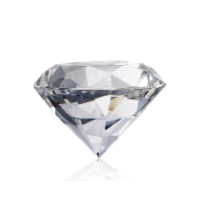
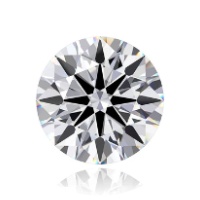
The most significant cost variable is the quality of the stone. Whether you choose a diamond engagement ring or an alternative gemstone, attributes such as cut, clarity, colour, and carat weight dramatically affect price. For example:
- Cut influences brilliance and is often the most expensive of the 4Cs.
- Colour ranges from colourless (premium) to tinted (lower cost).
- Clarity refers to internal flaws – invisible inclusions lower cost.
- Carat weight increases exponentially in price as size grows.
Buyers must assess stone quality based on both visual impact and value for money, prioritising sparkle and symbolism over size alone.
Metal Choice
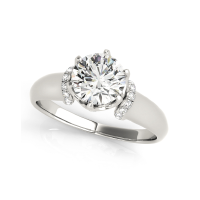
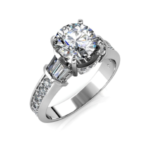
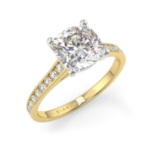
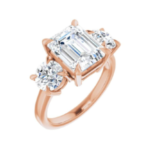
The ring setting and metal choice also shape overall cost and appearance. Popular options include:
- Platinum: High-quality, hypoallergenic, and long-lasting, but costly.
- 18K White, Yellow, or Rose Gold: Beautiful and customisable.
- Titanium or Palladium: Lightweight and affordable alternatives.
Your choice of band must reflect not only taste but also lifestyle, durability, and budget.
Design & Craftsmanship
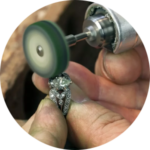
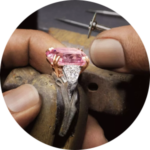
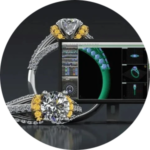
Customisation brings uniqueness but also impacts cost. Rings featuring bespoke craftsmanship typically require more hours, intricate work, and skilled artisanship. While the result is often a unique, high-quality, and lasting piece, it’s important to plan this into your budget.
Those seeking meaningful, symbolic, or personal designs may find the higher price justified by the value and longevity offered by custom work.
Lab-Grown vs Natural Diamonds
One of the most debated choices today is between lab-grown and natural diamonds. Lab-grown stones can offer:
- Lower cost
- Visual similarity to natural diamonds
In terms of the cost of an engagement, lab-grown diamonds can save up to 40-60% over their natural counterparts. However, natural diamonds often hold higher resale value and historical prestige.
Choosing between the two depends on what you prioritise: affordability, tradition, ethics, or value.
What to Look for When Buying an Engagement Ring?
Purchasing an engagement ring is about more than price – it’s about love, symbolism, and personal preference. Use the following checklist when evaluating rings:
- Set a comfortable budget based on your income and savings.
- Prioritise style and taste that matches your partner’s personality.
- Decide on metal and stone types early in your planning.
- Check certification from reputable gemmological institutes.
- Ensure correct sizing and consider future adjustments.
This approach ensures your engagement ring symbolises commitment without financial strain.
Factors That Determine Engagement Ring Cost
Several technical variables dictate final pricing. Understanding these details allows you to make responsible, realistic choices.
Cut
The cut is arguably the most important determinant of a stone’s beauty and price. It controls how light reflects, giving the sparkle many associate with high-quality diamonds. Excellent cuts cost more but enhance visual impact significantly.
Colour
Colour grading spans from D (colourless) to Z (light yellow or brown). Near-colourless diamonds (G–J range) offer great value without visual compromise, allowing buyers to allocate budget elsewhere.
Clarity
Clarity measures internal flaws or inclusions. Stones with slight imperfections invisible to the naked eye present a smart balance between beauty and cost.
Carat Weight
Carat is the measure of a stone’s weight, not its visual size. Since price increases non-linearly, a 0.90 carat stone may cost significantly less than a 1.00 carat while looking almost identical.
How Much Should You Spend on an Engagement Ring?
Returning to the primary question — how much to spend on engagement ring — the answer is entirely contextual.
Here’s a step-by-step guide to help set a responsible, comfortable, and meaningful budget:
- Assess your income and existing savings.
- Determine an affordable range (commonly 2–6 weeks of net income).
- Avoid outdated benchmarks like the three months’ salary rule.
- Plan for additional costs (wedding, honeymoon, etc.).
- Focus on meaning, not marketing.
Ultimately, a symbolic ring that reflects your commitment outweighs any arbitrary guideline.
Common Mistakes to Avoid
Even informed buyers can make missteps. Here’s what to avoid:
- Overspending due to societal or marketing pressure.
- Skipping certification or buying uncertified stones.
- Ignoring personal style and preferences of your partner.
- Forgetting maintenance or resizing costs.
Make sure you consider the full journey – from proposal to lifelong wear.
Why Choose Sinclairs Jewellers in Perth?
Sinclairs Jewellers in Perth brings together local expertise, custom design, and transparent pricing. Whether you’re remodelling an heirloom or designing a new piece from scratch, Sinclairs provides:
- High-quality, meaningful, lasting design
- Access to all metals and stone types
- Services that help you find the perfect ring
- Clear communication and ethical sourcing
As a Perth-based jeweller, Sinclairs blends craftsmanship with emotional storytelling.
Conclusion
There’s no one-size-fits-all answer to how much should you spend on an engagement ring in Australia. The right decision is one that aligns with your budget, reflects your love, and prioritises value over rules. From ring setting and metal choice to lab-grown alternatives, the modern buyer has more options than ever – making it easier to create a piece that is both exquisite and genuine.
Frequently Asked Questions
Can you use my existing stones?
Yes, Sinclairs Jewellers can incorporate your existing stones into a custom or remodelled engagement ring.
Is remodelling more affordable than buying new?
Often yes. Remodelling can reduce the cost by reusing existing materials while still achieving a personalised design.
How long does the process take?
The typical design and crafting process takes between 4 to 6 weeks, depending on complexity.
Do you work with all metals?
Yes, Sinclairs works with a full range of metals including platinum, yellow gold, white gold, rose gold, titanium, and more.