


Buying an engagement ring is one of life’s most meaningful purchases. It represents a promise, a milestone, and the start of a lifelong journey. But with countless styles, stones, settings, and budget considerations to explore, the process can quickly become overwhelming—especially for first-time buyers.
An engagement ring is more than just a piece of jewellery. It’s a symbol of love, commitment, and your partner’s personal style. Choosing the right ring not only reflects the depth of your relationship but also shows that you’ve taken the time to understand what matters most to your partner.
What Is an Engagement Ring?
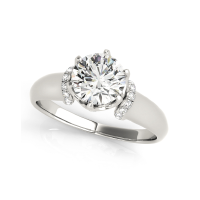
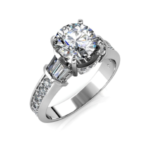
An engagement ring is a piece of jewellery traditionally given during a marriage proposal as a symbol of commitment. It often features a diamond or other precious stone set in a metal band.
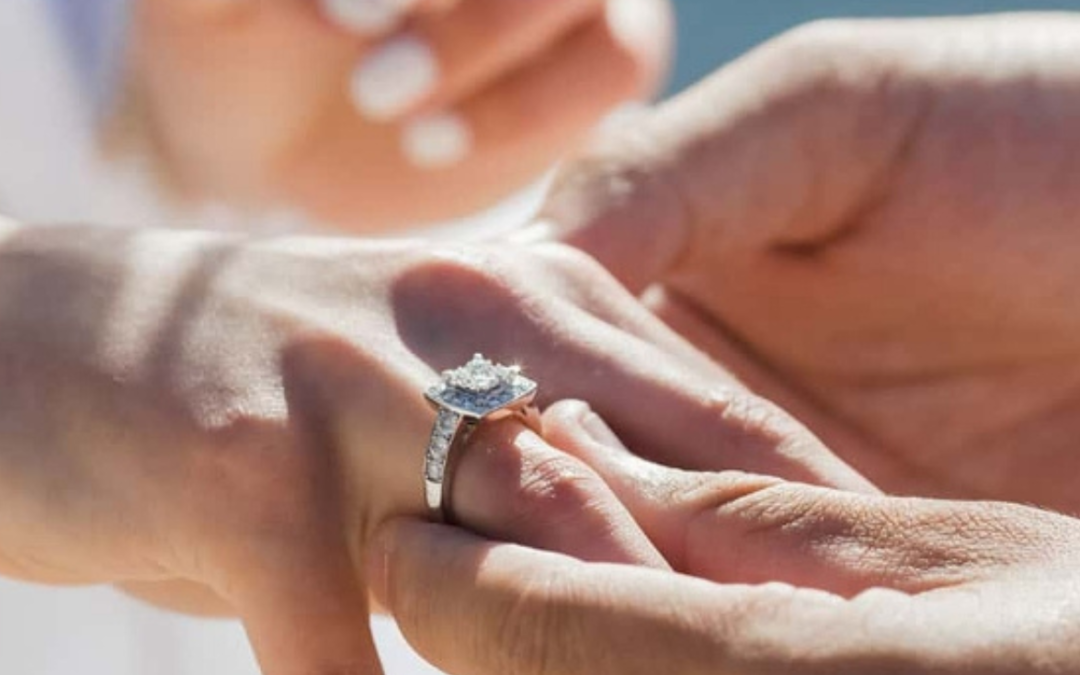
In Australia, engagement rings hold cultural significance and are commonly worn on the fourth finger of the left hand. The choice of style, metal, and gemstone often reflects personal taste and budget.
Key Components of an Engagement Ring
Understanding the main parts of an engagement ring can help you make a more informed and confident decision. While designs may vary, most engagement rings share a few core elements that define their style, durability, and overall appearance:
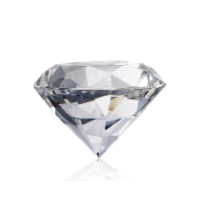
- Diamond or Gemstone
Diamonds are a traditional choice known for their durability. Gemstones such as sapphire, moissanite, and morganite offer distinctive colours and are often more affordable. - Ring Setting and Band Style
The setting holds the stone in place and influences the ring’s overall appearance. Band styles may be plain, engraved, or decorated with smaller stones. - The 4Cs: Cut, Colour, Clarity, and Carat
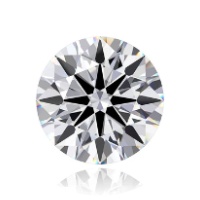
- Cut: affects how the stone reflects light.
- Colour: ranges from colourless to pale yellow.
- Clarity: refers to natural inclusions or imperfections.
- Carat: measures the stone’s weight and size.
- Diamond or Gemstone
Ring Styles and Trends
- Popular Styles in 2025
Engagement ring styles in 2025 emphasise personal expression and clean design. Solitaire rings remain a classic choice. Halo and three-stone settings are favoured for their added brilliance and symbolic meaning. Minimalist bands with hidden accents appeal to contemporary tastes. Coloured gemstones and asymmetric settings are becoming more popular, offering a distinctive look while maintaining elegance. - Vintage, Modern, and Custom Trends
Vintage-inspired rings featuring filigree and milgrain details are sought after for their character and charm. Modern designs include sleek lines, bezel settings, and open bands. Custom rings continue to grow in popularity as couples seek pieces that reflect their personal story, style, and values.
- Popular Styles in 2025
Step-by-Step Buying Process
Step 1 – Set Your Budget
Engagement rings can cost anywhere from a few hundred to tens of thousands of dollars. Entry-level rings usually start at around $1,000, while luxury options may exceed $10,000. Set a budget based on your financial situation rather than external expectations. The old “three-month salary” guideline is outdated. Choose a price that aligns with your savings and long-term financial plans.
Be aware of additional costs such as GST, resizing, and jewellery insurance. If needed, explore financing options including store credit, interest-free payment plans, or layby services. Always review the terms carefully and avoid committing to more than you can afford. Planning ahead helps ensure a smoother purchase and reduces financial pressure later.
Step 2 – Choose the Ring Style
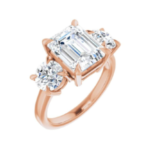
The ring style should suit your partner’s personal taste and daily lifestyle. Common choices include solitaire rings for a classic look, halo settings for extra brilliance, and three-stone designs that represent the past, present, and future. Vintage or Art Deco rings highlight intricate craftsmanship, while minimalist styles appeal to those who prefer subtle elegance.
Custom designs offer complete personalisation and may combine elements from different styles. Consider your partner’s routine when choosing the setting. For example, someone with an active lifestyle might prefer a low-set design that feels more secure. A thoughtful choice balances beauty, practicality, and personal meaning.
Step 3 – Select the Metal
- Metal Options and Comparisons
The metal you choose affects the ring’s durability, appearance, and maintenance. Common choices include platinum, white gold, yellow gold, and rose gold. - Platinum
Platinum is strong, naturally white in colour, and suitable for sensitive skin. It resists wear and holds its finish well. However, it is more expensive due to its density and rarity. - White Gold
White gold has a bright, modern look and is more affordable than platinum. It is plated with rhodium to enhance its whiteness, but this layer can wear over time and may need re-coating. - Yellow Gold
Yellow gold has a warm, traditional appearance. It comes in various purities, such as 9k, 14k, and 18k, and is often chosen for vintage or classic ring designs. - Rose Gold
Rose gold features a soft pink tone created by mixing gold with copper. It is durable and valued for its romantic and unique appearance.
Pros and Cons Summary
- Platinum is highly durable but more expensive.
- White gold offers good value but requires occasional maintenance.
- Yellow gold is timeless but softer and may scratch more easily.
- Rose gold is strong and fashionable but may not suit every skin tone.
Step 4 – Pick the Centre Stone
- Understanding Diamonds and the 4Cs
The value and appearance of a diamond are defined by four key factors: cut, colour, clarity, and carat. Understanding these helps you make an informed decision based on your budget and preferences.- Cut: The cut determines how well the diamond reflects light. Higher grades like Ideal or Excellent create greater brilliance and sparkle.
- Colour: Diamonds are graded from D (colourless) to Z (light yellow). Near-colourless grades, such as G to J, offer good value while still appearing white to most people.
- Clarity: Clarity refers to internal features called inclusions. Many inclusions are not visible without magnification. Grades such as SI1 or VS2 often appear clean to the eye and cost less than higher grades.
- Carat: Carat measures the diamond’s weight. A well-cut smaller diamond can appear larger than a poorly cut one with higher carat weight.
- Diamond Types
- Natural diamonds form naturally over billions of years.
- Lab-grown diamonds have the same chemical and physical properties as natural ones but are more affordable and sustainable.
- Diamond Shapes
Shape refers to the outline of the stone. Popular shapes include:- Round
- Oval
- Princess
- Emerald
- Cushion
- Pea
Each shape reflects light differently and offers a unique aesthetic.
- Alternative Gemstones
Gemstones such as sapphire, ruby, moissanite, and morganite provide unique colours and can be a more affordable choice. Some are nearly as hard as diamonds and suitable for daily wear. - Pros and Cons of Coloured Gemstones
Coloured gemstones add individuality to a ring. However, durability varies. Sapphires and rubies are very hard and long-lasting, while stones like morganite and opal are softer and may scratch more easily.
Step 5 – Understand Ring Settings
Common Ring Settings Explained
- Prong Setting
Prong settings use small metal claws to hold the centre stone, allowing more light to enter and increase brilliance. This traditional design offers maximum sparkle but may catch on clothing or hair. - Bezel Setting
A bezel setting surrounds the stone with a thin metal rim. It provides excellent security and is suitable for people with active lifestyles or practical jobs. The design also reduces the risk of the stone getting knocked loose. - Pavé Setting
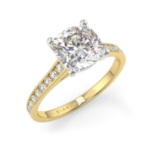
Pavé settings feature small diamonds set closely along the band, creating a continuous sparkle. This style enhances shine but may be more difficult to clean and repair due to the number of small stones. - Channel Setting
Channel settings secure stones between two metal strips, creating a smooth, flush surface. This setting protects the stones from damage and suits those who prefer a sleek and durable design. - Tension Setting
A tension setting holds the stone in place using pressure from the ends of the band. It offers a modern, minimalist look with the stone appearing to float. However, it requires precise engineering and is not suitable for all gemstones.
Step 6 – Get the Right Ring Size
- Measurement MethodsAccurate ring sizing is essential for comfort and helps avoid the need for resizing later. The most reliable method is visiting a jeweller, who will use tools such as a ring mandrel or gauge rings to determine the correct fit.For online purchases, plastic ring sizers or printed sizing charts can provide an estimate, but they may not be as precise. Always measure your finger when it is at a normal temperature. Cold can shrink fingers, while heat may cause swelling, both leading to inaccurate sizing.Do not rely on old rings unless they were worn on the same finger you intend to size. If the proposal is a surprise, discreetly borrow a ring your partner wears on the correct finger, or ask a trusted friend or family member for help.
- Resizing OptionsNot all rings can be resized easily. Plain metal bands can usually be adjusted by one to two sizes. However, rings with pavé detailing, tension settings, or full eternity designs may be difficult or risky to alter.Always ask the jeweller whether resizing is included in the purchase. Many jewellers offer one complimentary resize within a set period. If resizing is not possible, sizing beads or inserts can help achieve a better fit without damaging the ring.Discuss resizing options before buying to make sure the ring remains wearable over time and can be adjusted if needed.
- Dealing with Knuckle-to-Finger RatioIf your knuckle is significantly larger than the base of your finger, finding the right ring size can be challenging. Choose a size that fits over the knuckle but also sits securely at the base without rotating too much.Comfort-fit bands or internal sizing beads can provide added stability. Wider bands may reduce movement and offer a more secure fit. A skilled jeweller can assess your hand shape and recommend a solution that balances comfort and security.
Step 7 – Where to Buy the Ring
- Local Jewellers
Buying from a local jeweller allows you to see rings in person and receive tailored advice. On-the-spot adjustments are often available, and custom designs are easier to manage through face-to-face communication. This option gives you more control over design details and production timelines. - Online Retailers
Online stores offer a wide range of styles and often more competitive pricing. Many platforms provide virtual try-on tools, high-resolution images, and certified grading information. Look for retailers with verified customer reviews, secure payment systems, and clear return or exchange policies. - Antique and Vintage Shops
Antique and vintage jewellers offer unique pieces with historical charm. These rings are ideal for those seeking something distinctive. Always ask for authentication documents and ensure the piece includes grading reports from reputable organisations such as GIA or AGS. - General Buying Tips
Confirm the authenticity of any centre stone and ask for proper certification. Avoid sellers who do not provide clear information, secure checkout processes, or transparent return terms. Buying from a trusted source protects your investment and ensures peace of mind.
Step 8 – Finalise the Purchase
Before completing the purchase, ask key questions to avoid surprises later. Confirm the store’s return policy, including any time limits or restocking fees. Clarify what the warranty includes, such as coverage for repairs, resizing, or replacement of lost stones.
Always request certification from recognised authorities like GIA or AGS to verify the stone’s authenticity and quality. Ask to see this documentation before payment is finalised.
Understand how jewellery insurance works. Check whether your home contents policy covers engagement rings, or if separate insurance is required. Jewellery-specific cover usually provides broader protection, including loss, theft, and accidental damage.
Sinclair’s offers insurance options tailored to fine jewellery, providing dedicated coverage to protect your ring against unexpected events.
Common Mistakes to Avoid
- Shopping Without Research
Buying a ring without understanding diamond quality or pricing can lead to poor value. Learn the 4Cs, explore ring styles, and compare metal types. Check reviews and certifications to make an informed choice. - Ignoring Your Partner’s Preferences
Choosing a ring based only on your taste may not suit your partner. Observe their jewellery style and lifestyle. Trusted friends or family can help you find a ring that matches their personality. - Overlooking Aftercare and Warranty
Rings need regular maintenance. Ask if the jeweller offers services like cleaning or prong checks. Understanding the warranty can save on future repairs and keep the ring in good condition. - Rushing a Custom Design
Custom rings require time for design and craftsmanship. Starting too late may limit your options. Begin early and maintain communication with your jeweller to avoid delays.
Ethical & Sustainable Ring Buying
- Conflict-Free Diamonds
Conflict-free diamonds are sourced from regions that do not fund violence or exploit workers. Look for Kimberley Process certification and request documentation to verify ethical sourcing. Be cautious of vague claims without proof. - Lab-Grown Diamonds
Lab-grown diamonds are chemically and visually identical to mined diamonds but created with less environmental impact. They are typically more affordable and often produced using renewable energy, with clear and traceable origins. - Sinclair’s Ethical Standards
Sinclair’s partners with trusted suppliers who follow strict ethical practices. They offer lab-grown diamonds, recycled metals, and sustainable packaging, with full traceability from source to finished ring.
Conclusion
Choosing the right engagement ring involves thoughtful planning, from learning about the 4Cs to selecting a suitable style, setting, and ethically sourced stone. Start with a clear budget, take time to research, and focus on what truly matters to you and your partner.
This is a meaningful step in your relationship. Whether you choose a classic diamond solitaire or a custom vintage design, the ring should reflect your shared story and values.
Book a consultation with our experts or explore our collection to find the ring that suits both your style and future together.
FAQ
How Much Should I Spend on an Engagement Ring?
There’s no set rule. Choose a budget that fits your financial situation and long-term goals. The “three-month salary” rule is outdated. Focus on quality, value, and what feels right for you and your partner. Don’t forget to include GST, insurance, and resizing in your planning.
Can I Upgrade the Ring Later?
Yes, many jewellers offer upgrade or trade-in programs. You can change the centre stone, update the setting, or add new features. Always check upgrade policies when buying and keep your certification and receipts for future use.
How Do I Clean and Maintain the Ring?
Clean your ring using warm water, mild soap, and a soft brush. Avoid harsh chemicals and remove it during manual tasks. Book a professional inspection every six to twelve months to check for loose stones or wear and tear.
What If the Ring Doesn’t Fit?
Most rings can be resized, especially plain bands. Styles like pavé or eternity may need other solutions, such as sizing beads. Many jewellers include one complimentary resize within a set timeframe. Ask about options before purchase.